Locomotives
Athearn vs Walthers Mainline
Quick answer
Walthers Mainline names ESU LokSound as its factory fitted decoder and costs about $114 less than Athearn's Genesis level GP40-2L, which does not publish a decoder brand. Walthers Mainline EMD GP9 Phase II with ESU Sound and DCC HO Scale at $184.99 models an earlier GP9; Athearn HO GP40-2L with DCC and Sound Guilford Maine Central at $298.77 models a later, higher horsepower GP40-2.
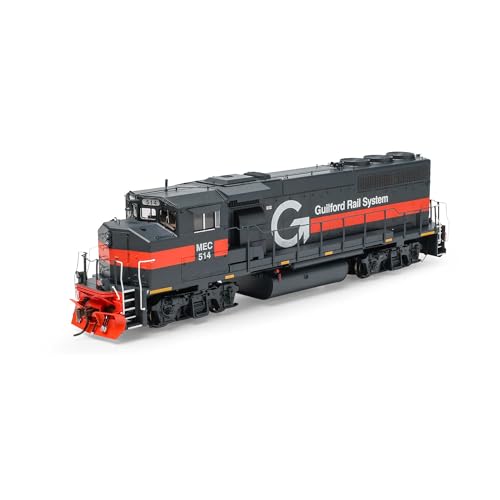
Athearn HO GP40-2L with DCC and Sound Guilford Maine Central
$298.77 Specs and fitmentGenesis level detail with factory DCC and sound, a later second generation GP40-2L road switcher.
Best for: a detail modeller who wants sound without a separate install
Check price on Amazon
Walthers Mainline EMD GP9 Phase II with ESU Sound and DCC HO Scale
$184.99 Specs and fitmentAn ESU LokSound decoder fitted at the factory on an earlier GP9 Phase II, the sound decoder most modelers would choose to install anyway.
Best for: anyone who wants ESU sound without doing the installation
Check price on AmazonThe verdict: both of these locomotives arrive with DCC and sound already installed, so this is not a sound versus no sound decision the way some brand comparisons are. It comes down to which decoder brand you can verify, which era locomotive your layout needs, and whether Athearn's Genesis detail tier is worth roughly $114 more than Walthers Mainline for your roster.
Walthers Mainline EMD GP9 Phase II with ESU Sound and DCC HO Scale at $184.99 is a first generation EMD GP9 with a factory fitted ESU LokSound decoder, a brand many modelers would choose to install separately anyway. Athearn HO GP40-2L with DCC and Sound Guilford Maine Central at $298.77 is a later, more powerful GP40-2L in Athearn's Genesis line, with factory DCC and sound but no decoder brand named in its own listing.
On this page
What's the price gap between Athearn's GP40-2L and Walthers' GP9?
About $114. Athearn HO GP40-2L with DCC and Sound Guilford Maine Central lists at $298.77 and Walthers Mainline EMD GP9 Phase II with ESU Sound and DCC HO Scale lists at $184.99. That gap is not a sound versus no sound gap, since both come DCC sound equipped from the factory. It reflects Athearn's Genesis detail tier, a later and more powerful prototype, and whatever margin Athearn's unnamed decoder carries against a named ESU LokSound unit.
Which sound decoder is actually inside each locomotive?
Walthers states it plainly: Walthers Mainline EMD GP9 Phase II with ESU Sound and DCC HO Scale carries a factory installed ESU LokSound decoder, the same decoder brand covered at LokSound vs LokPilot and one many modelers already choose to buy and install themselves for its sound quality. Athearn's own listing for Athearn HO GP40-2L with DCC and Sound Guilford Maine Central does not name the decoder brand it uses, so if a specific decoder brand matters to you, Walthers is the locomotive here where that detail is confirmed rather than assumed.
Which locomotive better suits your modeling era?
Walthers Mainline EMD GP9 Phase II with ESU Sound and DCC HO Scale models a Phase II GP9, a first generation EMD road switcher associated with railroads from the middle of the last century onward, still common on shortlines and secondary power for decades after. Athearn HO GP40-2L with DCC and Sound Guilford Maine Central models a later, second generation GP40-2L in Guilford Maine Central colors, a higher horsepower unit that fits a more modern era roster. Pick the one that matches the decade your layout represents rather than the one with the bigger number in its model name.
Athearn GP40-2L vs Walthers GP9, side by side
Walthers's GP9 costs about $114 less than Athearn's GP40-2L while naming ESU LokSound as its factory fitted decoder.
| Spec | Athearn GP40-2L | Walthers GP9 Phase II |
|---|---|---|
| Price | $298.77 | $184.99 |
| Locomotive era | Later, second generation GP40-2 | Earlier, first generation GP9 |
| Factory sound decoder brand | Not stated by Athearn | ESU LokSound |
| Wheel arrangement | B-B (four axle) | B-B (four axle) |
Which one should you actually buy?
Buy Walthers Mainline EMD GP9 Phase II with ESU Sound and DCC HO Scale when your layout's era calls for an earlier road switcher, when a confirmed ESU LokSound decoder matters to you, or when the roughly $114 saved matters more than Athearn's Genesis detail level. Buy Athearn HO GP40-2L with DCC and Sound Guilford Maine Central when your era needs a later, higher horsepower unit and the extra detail Genesis is known for justifies the price to you. Both arrive sound equipped, so neither purchase adds a separate decoder cost afterward.
Frequently asked questions
Is Athearn Genesis worth the extra cost over Walthers Mainline?
That depends on whether Genesis's higher detail level and later prototype matter to your layout. Both locomotives arrive DCC sound equipped, so the roughly $114 difference buys detail and era rather than sound itself, which the Walthers GP9 already includes with a named ESU LokSound decoder.
Does the Walthers GP9 come with a real ESU decoder?
Walthers' own listing states the GP9 Phase II ships with an ESU LokSound decoder and DCC sound fitted at the factory, the same decoder line ESU sells separately for owner installation elsewhere on this site.
What is the difference between a GP9 and a GP40-2 for modeling purposes?
The GP9 is an earlier, first generation EMD road switcher associated with older prototype eras, while the GP40-2 is a later, higher horsepower second generation unit. Choosing between them should follow the decade your layout represents, not the higher model number.
Are both the Athearn GP40-2L and Walthers GP9 DCC sound equipped out of the box?
Yes, both arrive with DCC and a factory installed sound decoder, so neither requires buying and fitting a separate decoder to get sound. The real differences are price, decoder brand disclosure and which prototype era each locomotive represents.
Which locomotive needs a sharper curve, the GP40-2L or the GP9?
Both use the same B-B, four axle truck arrangement, which generally handles tighter curves than a six axle diesel needs. Neither manufacturer publishes an identical figure for these two specific models, so check each one's stated minimum radius before committing either locomotive to a small radius layout, using the minimum radius calculator to compare your own benchwork against whatever number you find.
Does Walthers Mainline sit above or below Walthers Trainline in detail?
Walthers Mainline sits above Walthers Trainline, the brand's budget line built around plain DC units at the lowest possible price, and below Walthers Proto, its premium detail line aimed at modelers who want the finest available finish. Mainline is the middle tier, pairing factory DCC sound with a mid-range price and a detail level that suits most modelers building a general roster.
Researched, not professional advice. This page is compiled from published manufacturer specifications, instruction manuals, published NMRA standards and recommended practices, and owner-review consensus, not hands-on testing. Figures described as a rule of thumb are hobby convention rather than a standard, and they are labelled that way wherever they appear. Always check a radius, a clearance or a grade against your own equipment before you cut wood or lay rail, because manufacturers vary and so does what your specific models will tolerate. Any permanent mains wiring in a layout room is work for a licensed electrician to your local code.