N scale
N Scale Intermediate Layout with DCC and Double Track
Quick answer
An N scale layout with a second main line, a double crossover, a Digitrax DCC system and a mixed freight roster costs about $1,599. Double track is where N scale earns its space, because two trains fit where HO would hold one.
This is where N scale stops being the compromise and starts being the point. A double track main line with a crossover between them fits in the space a single HO main would need, and two trains running in opposite directions on a layout you can reach across is a genuinely different experience.
The build stays on Unitrack because the reliability argument does not go away as the layout grows: more track means more joints, and more joints relying on rail joiners means more intermittent faults on a scale that is already less tolerant of them.
The DCC system here is a Digitrax Zephyr Express rather than the NCE Power Cab used in the HO build, chosen because it doubles as the gateway to a full LocoNet system later. On a layout expected to grow, that upgrade path is the thing worth paying for.
The complete build: $1,599
$1,599A board or benchwork at least 30 by 80 inches, and preferably more. Size it with the <a href="/calculators/track-plan-size-calculator">track plan size calculator</a>.
Track
A second main line and a double crossover between them, which is the arrangement that makes double track worth having.


DCC and control


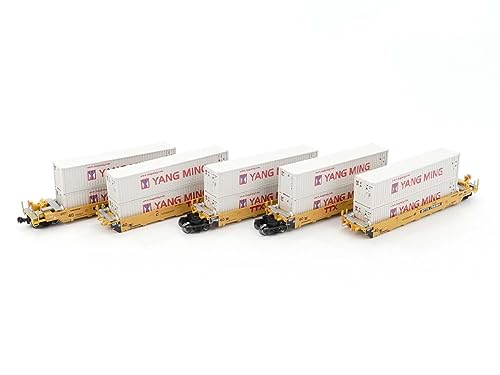
Motive power and rolling stock



Scenery and structures


Total for this build
Equipment only, at the listed prices when this page was compiled. Benchwork and a top surface are on top.
Why double track is the N scale advantage
In HO, a double track main line on a home layout is a luxury that costs the space a second industry would have occupied. In N it is routine, because the track centres are about 0.98 inches against 1.79 in HO and the curve radius needed is roughly half.
What double track buys is two trains running without either waiting for the other. On a single track layout the second train spends most of its time in a siding, which is realistic and is also less fun on a small railroad. With two mains, both trains run continuously and the crossover lets them swap when you want them to.
The double crossover in this list is the piece that makes it work. Building one from four separate turnouts is difficult trackwork with four sets of point rails to align, and the single-section version removes the problem entirely.
What you can skip
Sound on both locomotives. See the note on the beginner build: N scale sound is limited by speaker size. One sound locomotive is plenty, and the DCC ready second unit in this list is the honest alternative.
A separate booster. The Zephyr Express supplies ample current for this roster. Check it with the DCC power budget calculator rather than assuming.
What to upgrade first
Staging. A double track main line makes the shortage of somewhere to put trains obvious very quickly. Even two hidden tracks behind the backdrop transform how the layout operates, because trains can arrive from somewhere instead of always being the same two trains going round.
Frequently asked questions
What does an intermediate N scale layout cost?
About $1,599 for the list here: a second main line on Unitrack, a double crossover, two number 6 turnouts, a Digitrax DCC system with two decoders, two locomotives, a substantial freight roster, full scenery and an N scale backdrop. Benchwork is on top.
Is double track worth it on a small layout?
In N scale, usually yes. Track centres are about 0.98 inches and the radius needed is roughly half what HO wants, so the second main costs far less space than it would in HO. What it buys is two trains running continuously without either sitting in a siding waiting, which on a small layout is a real difference.
Why Digitrax rather than NCE for this build?
Because of the upgrade path. The Zephyr Express works as a complete system on its own and also acts as the gateway to a full LocoNet system with walkaround throttles later. On a layout you expect to grow, that matters more than the immediate feature comparison, since throttles and modules are tied to the system.
Do I need feeders on Unitrack?
Less than on flex track, because Unitrack joints are a positive electrical connection rather than a friction fit. On a layout this size it is still worth adding drops at intervals, because every joint has some resistance and a long run of many joints accumulates it. One feeder per loop section is a reasonable rule.
Is a double crossover hard to install?
The Kato single-section version is not: it drops in like any other piece of Unitrack with the machines already built into the roadbed. Building the same arrangement from four separate turnouts is genuinely difficult trackwork with four sets of point rails to align, which is exactly what the one-piece version exists to avoid.
How many cars can I run in N scale?
Longer trains than the same space allows in HO, which is much of the appeal. The real limit is usually the passing siding or the staging track rather than the locomotive, because a train that will not fit in the siding cannot be passed. Work the length out with the staging capacity calculator before committing to a plan.
Researched, not professional advice. This page is compiled from published manufacturer specifications, instruction manuals, published NMRA standards and recommended practices, and owner-review consensus, not hands-on testing. Figures described as a rule of thumb are hobby convention rather than a standard, and they are labelled that way wherever they appear. Always check a radius, a clearance or a grade against your own equipment before you cut wood or lay rail, because manufacturers vary and so does what your specific models will tolerate. Any permanent mains wiring in a layout room is work for a licensed electrician to your local code.